데이터로 탈주하는 물질의 시대를 관조하기
고원석 / 전시기획자, 라인문화재단 디렉터
미래를 배경으로 혼자 살고 있는 남자 테오도르가 등장한다. 무미건조한 생활을 이어가던 그는 수시로 모바일 디바이스로 대화형 AI인 사만사와 대화를 나눈다. 대화는 정보 공유의 차원을 넘어 상담과 위로와 같은 감정적 차원으로 전개되고 테오도르는 강렬한 정동의 단계로 접어든다. 그가 점차 주변의 사람이나 사물과 분리되고, 사만사와 완벽하게 감정적으로 연결되는 이 해는 2025년이다.
눈으로 보는 것과 그것의 존재를 믿는 것의 관계는 작가 박인성이 사진과 영상, 설치 등 다양한 매체를 넘나들며 고민해온 주제다. 처음 영화 필름을 이용한 작업을 통해 ‘기록’의 허구성에 대한 관심을 갖게 된 작가는 그간 여러 매체와 방식을 경유하며 양 극단의 개념들을 충돌시키고, 보이는 것과 그 이면의 간극을 파고들었다.
이번 개인전에 선보이는 박인성의 작업은 대부분 최근 1,2년 사이에 제작된 근작들로 구성되었다. 그의 작업세계를 기술하는 이 글의 시작을 위와 같이 AI를 다룬 영화 ‘HER’(2013) 의 스토리로 시작한 이유는 그의 근래의 관심사이자 이번 전시작품들 전반에 깔려 있는 배경적 맥락이 ‘기록의 방식과 현존성’이라는 주제로 수렴되기 때문이다.
영화 ‘ HER’에서 대화형 AI인 사만사가 테오도르의 정동을 완벽하게 이끌어낼 수 있었던 표면적 이유는 데이터화 되어 있는 인간의 감정에 관한 연구 결과들을 빠르게 검색하고 처리하여 인간의 대화처럼 자연스럽게 제공하는 처리기술 때문일 것이다. 물론 이 글이 발표되는 2025년의 AI는 아직 글리치 이미지나 허구적 정보와 같은 부분적 오작동을 보이고 있지만 하루가 다르게 고도화되고 있는 딥러닝 모델의 진화는 조만간 인간두뇌의 뉴런과 훨씬 비슷해 질 것이고 지금의 오작동은 먼 과거의 것으로 여겨질 만큼 자연스러워질 것은 분명해 보인다.
사실 그보다 더 근본적인 정동의 출처는 인공지능이 ‘딥러닝’하는 방대한 데이터가 현실의 모든 것들을 있는 그대로 반영하고 있다는 무의식적 오류에서 비롯된다. 전시를 준비하던 박인성과 만나 나눈 대화의 많은 부분은 역사의 기록이라는 인류의 행위가 갖는 본질적인 허구성(fictionality)과 임의성(arbitrariness)이 초고도화된 기술의 표면 속에 너무도 손쉽게 은폐되거나 망각되는 현실에 대한 것이었다. 이는 관심이 가는 대상의 구조에 집요하게 집중하는 기질의 작가가 작업 초기부터 가져온 아이콘이나 기호와 같은 비물질적 대상의 실존성에 대한 문제의식으로부터 면면히 이어진 지적 흐름에서 최근 집중한 주제들이며, 동시에 이번 전시에 등장하는 작품들이 토대로 하는 개념적 층위를 이해할 수 있는 단서이기도 하다.
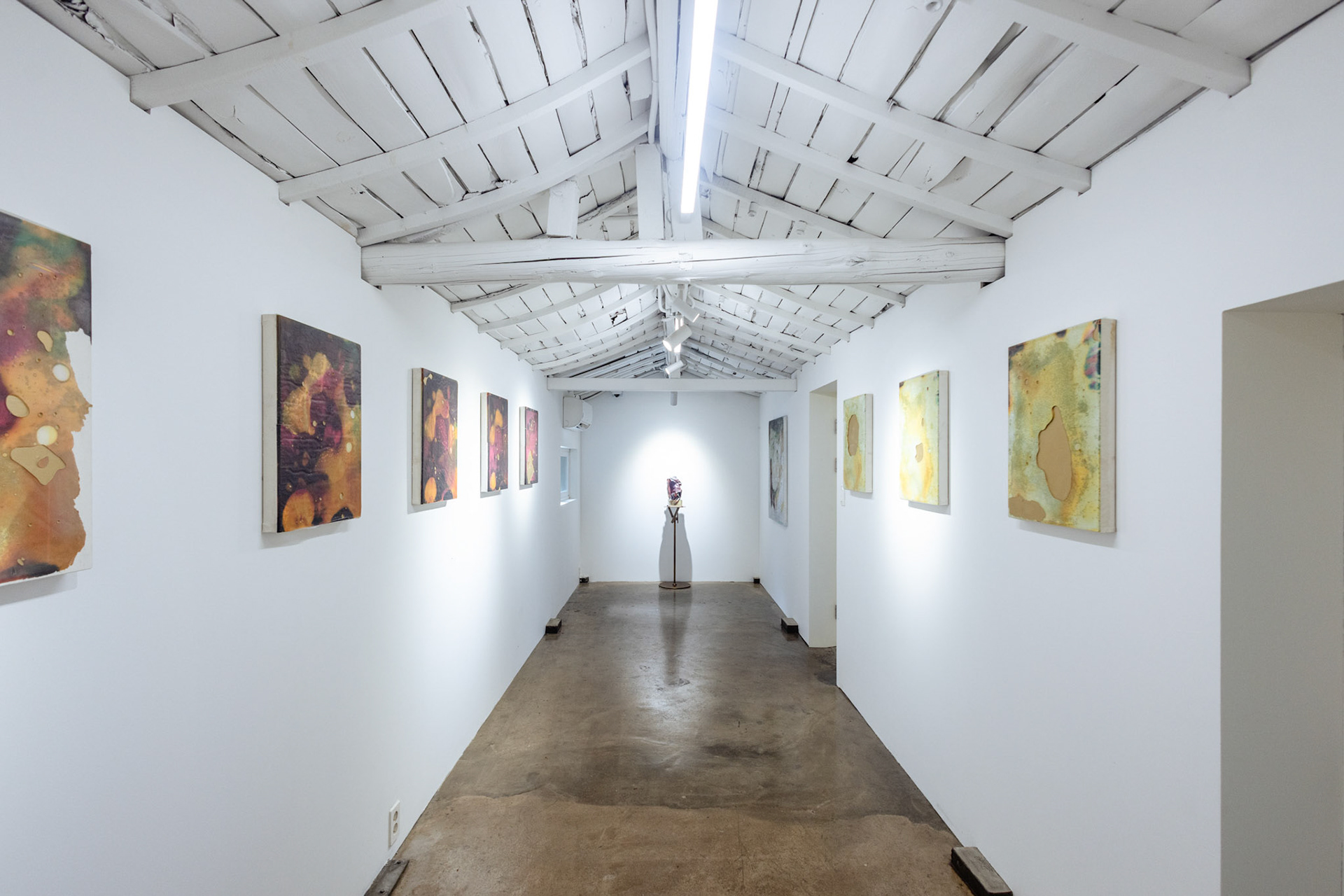
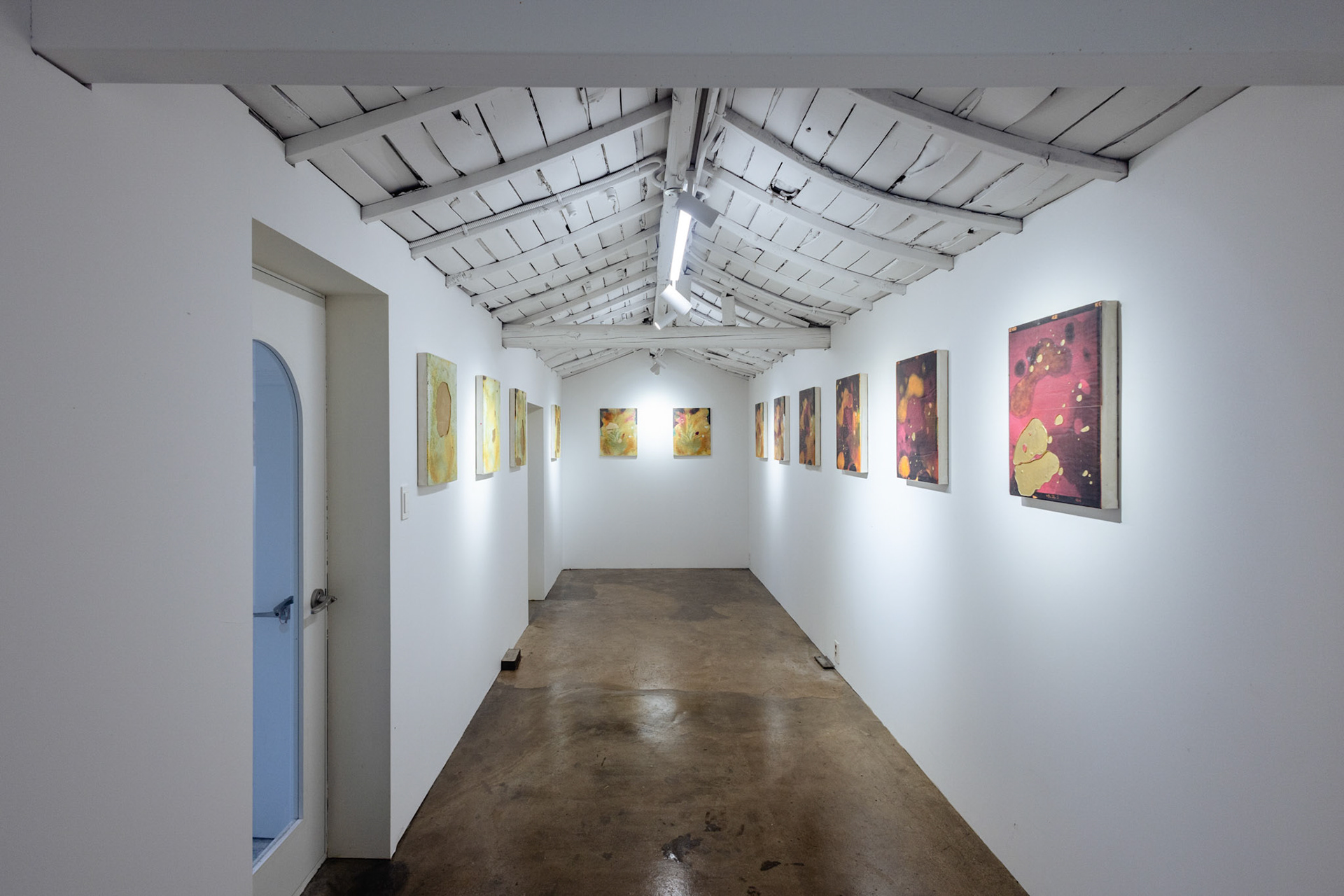
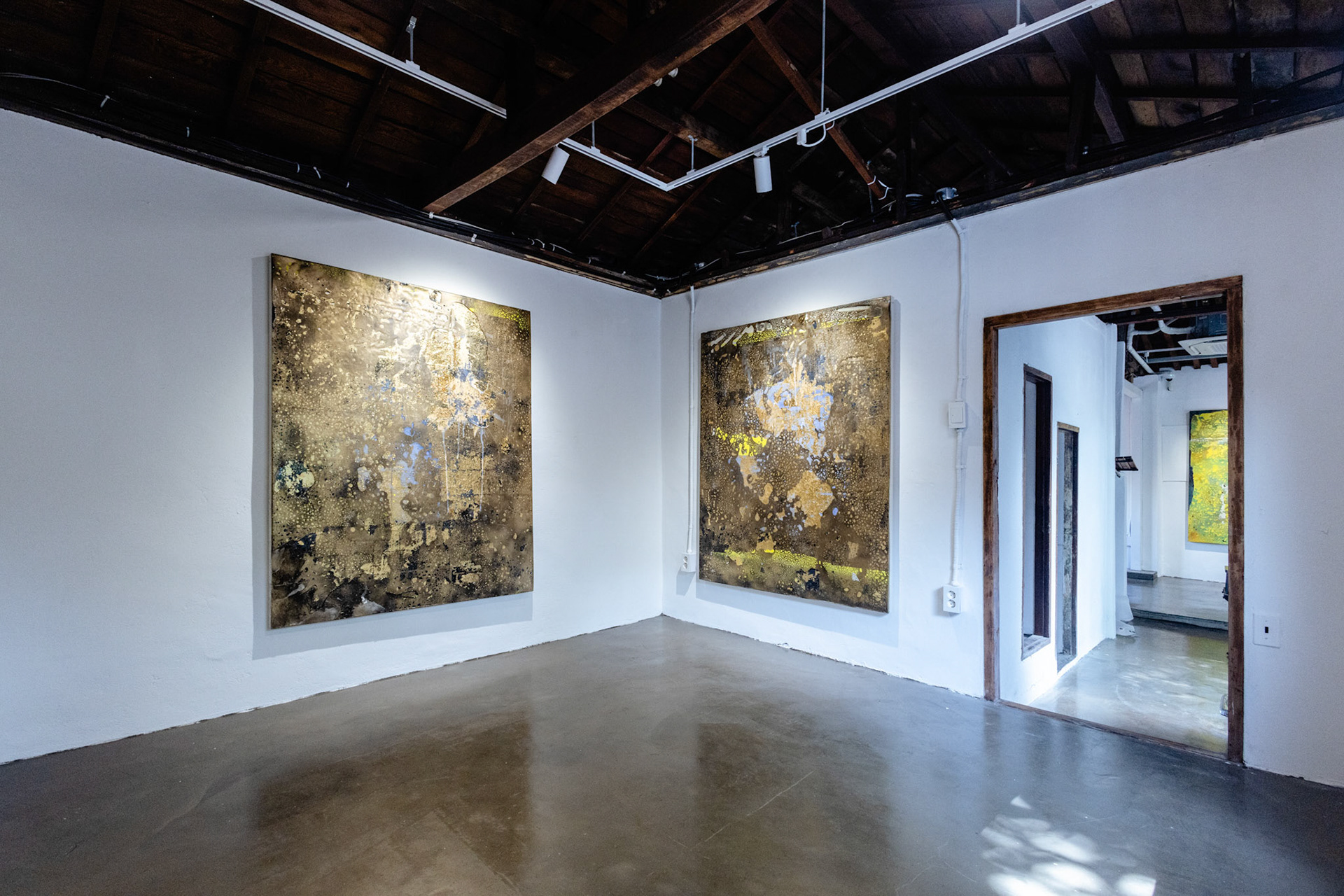
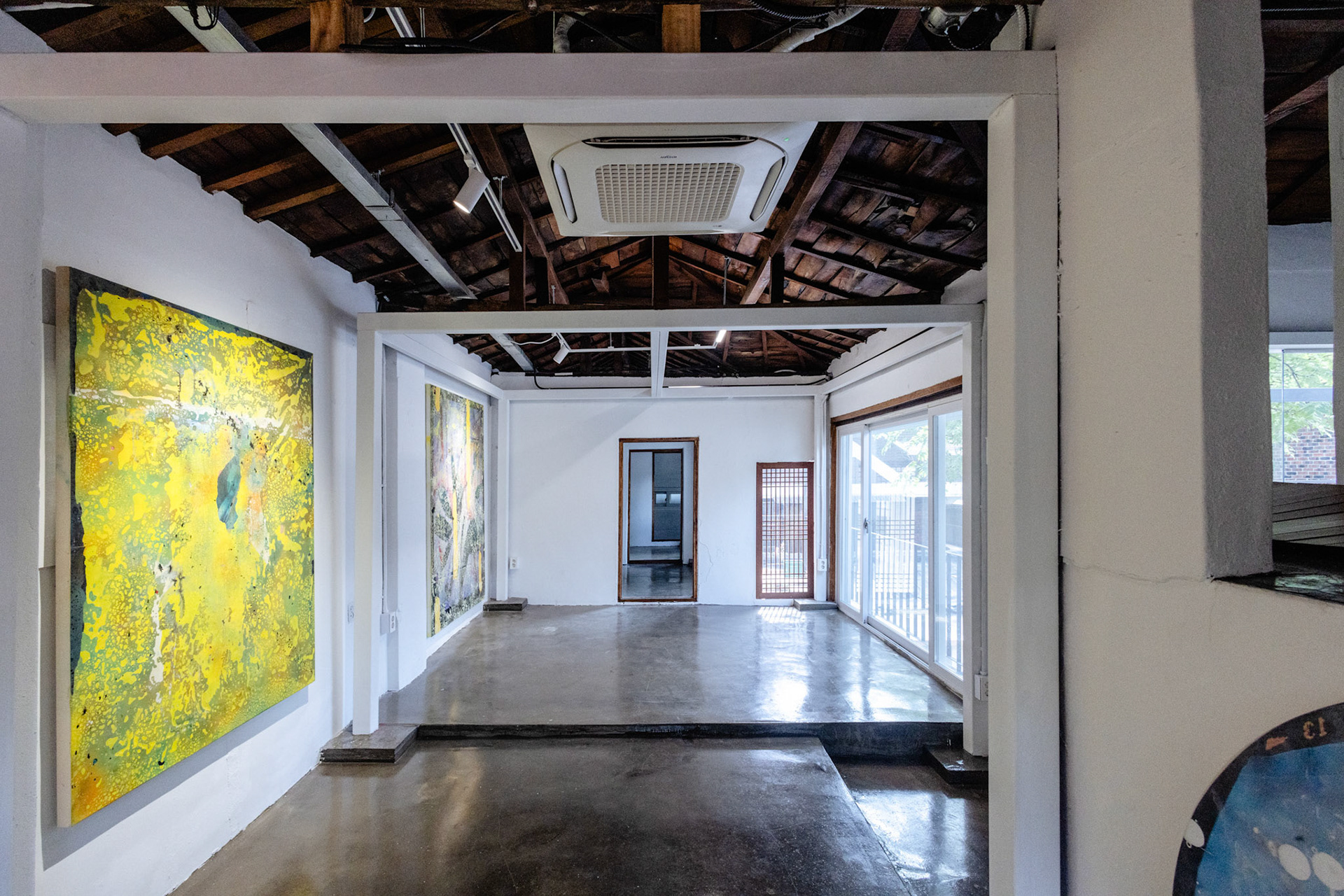
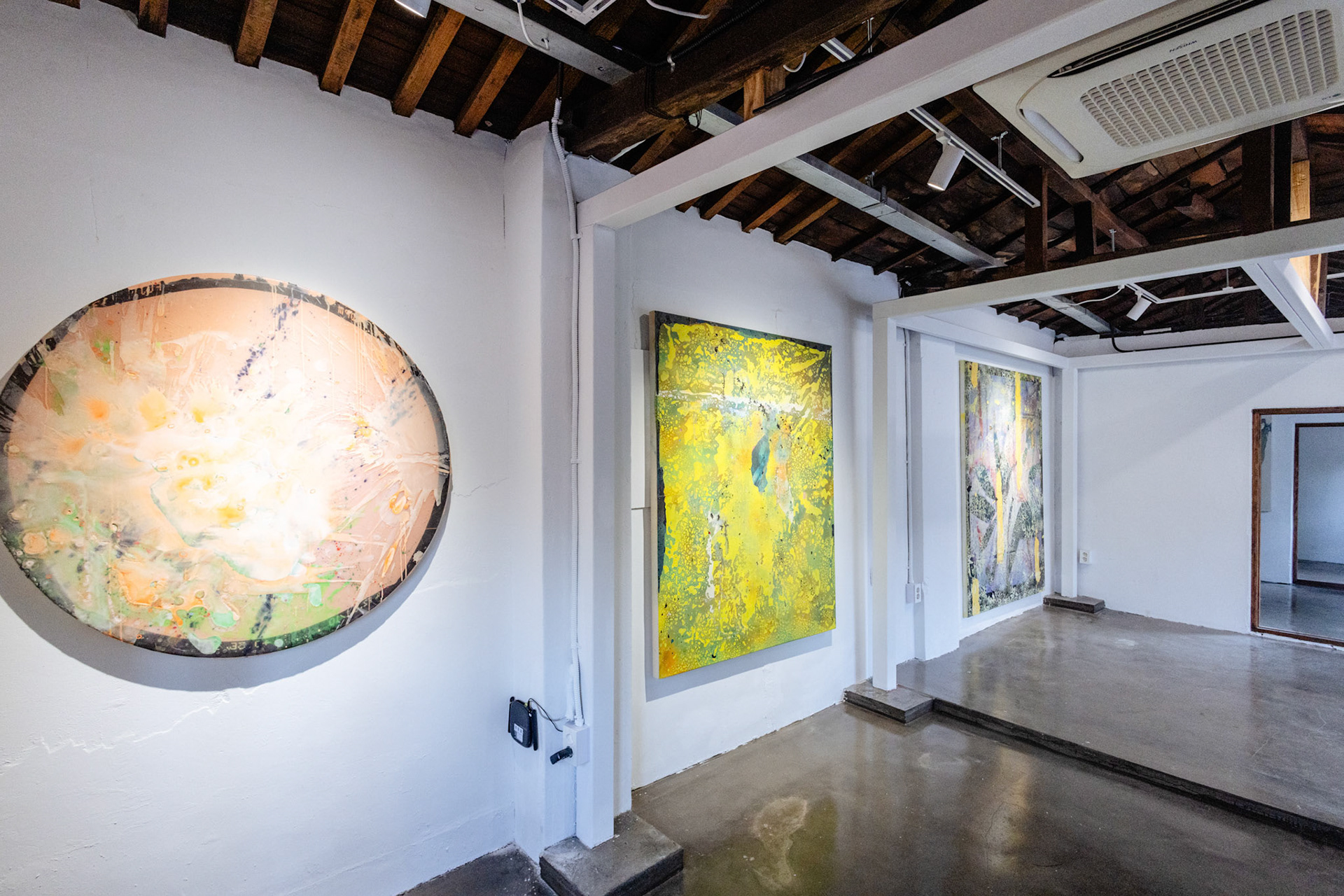
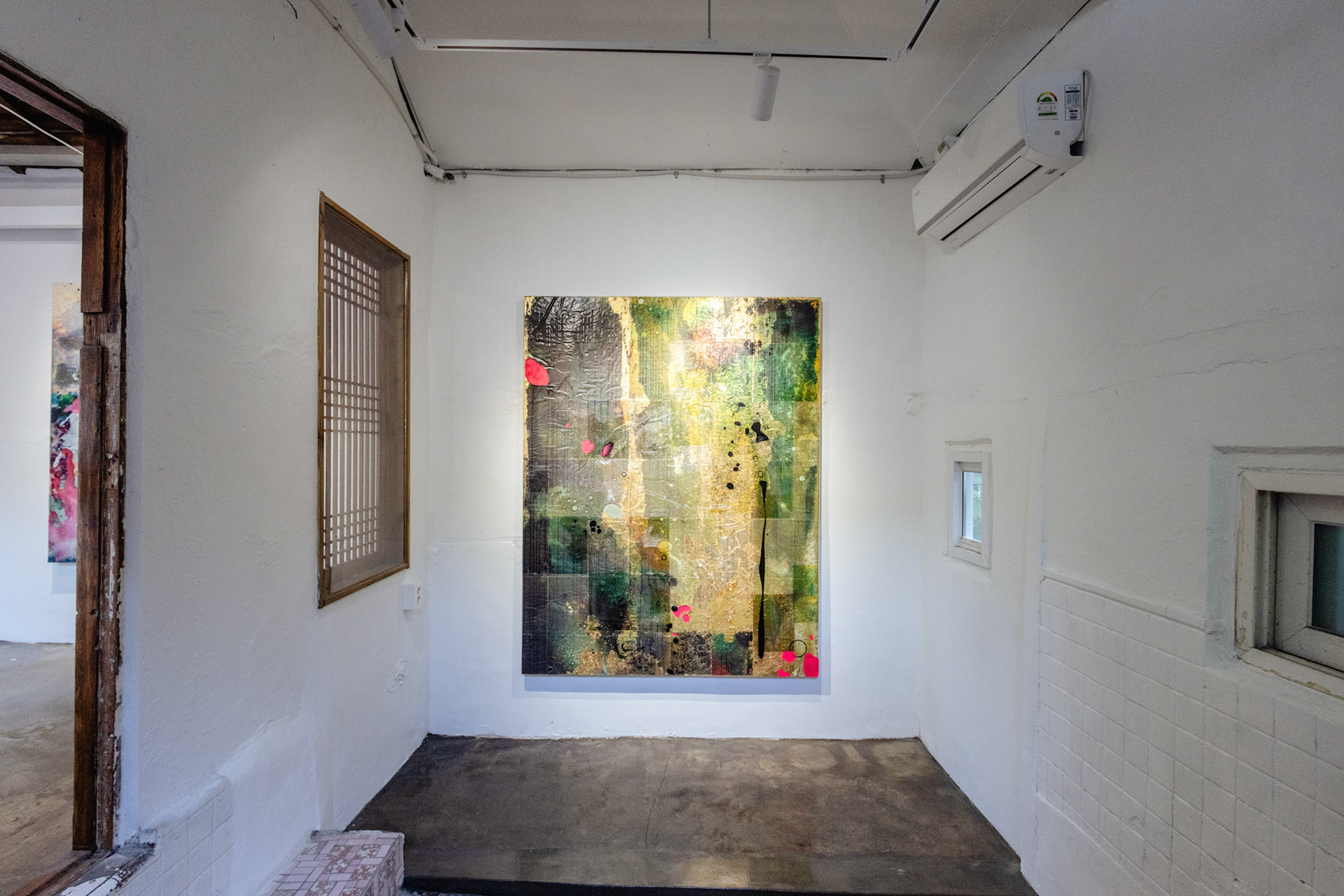
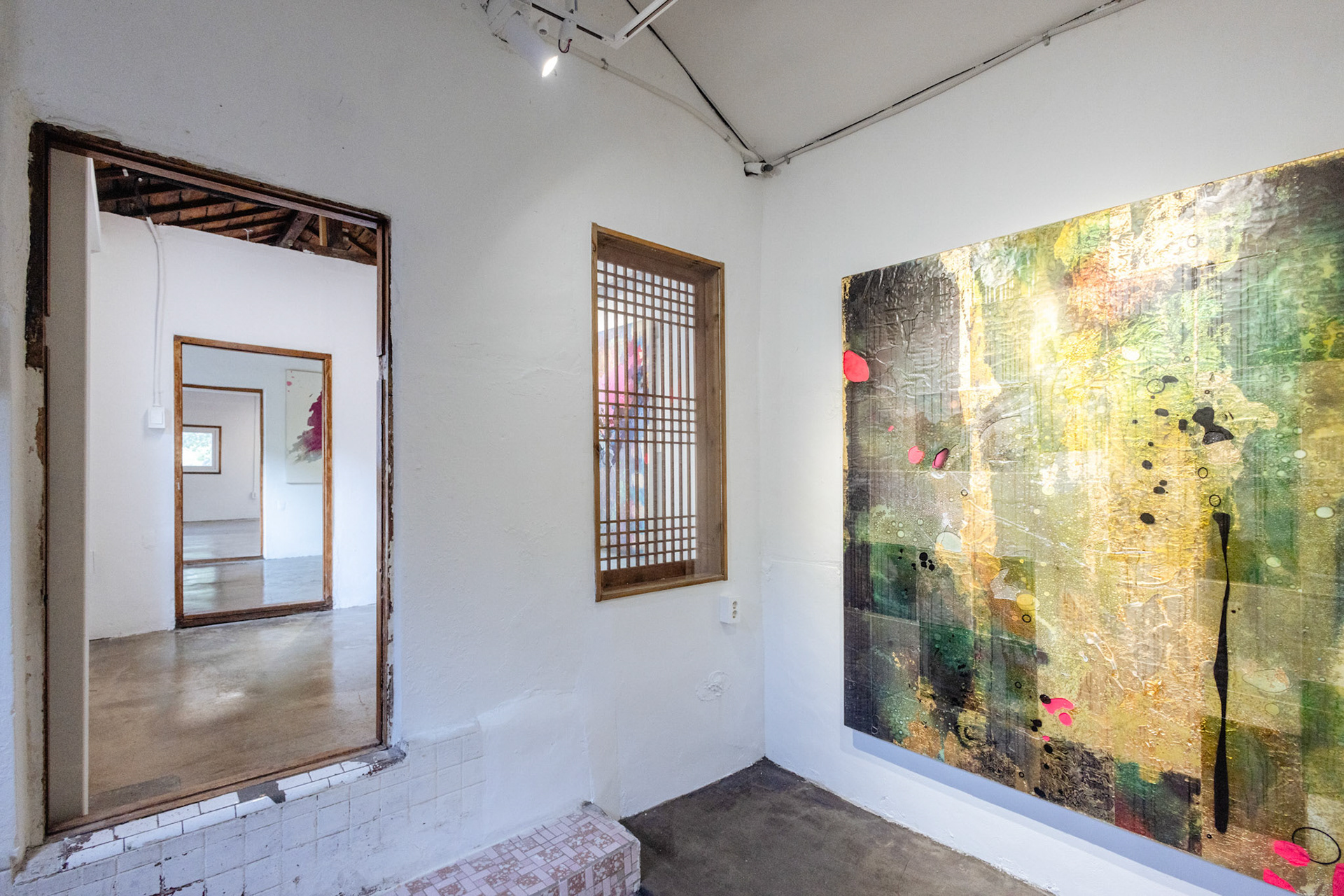
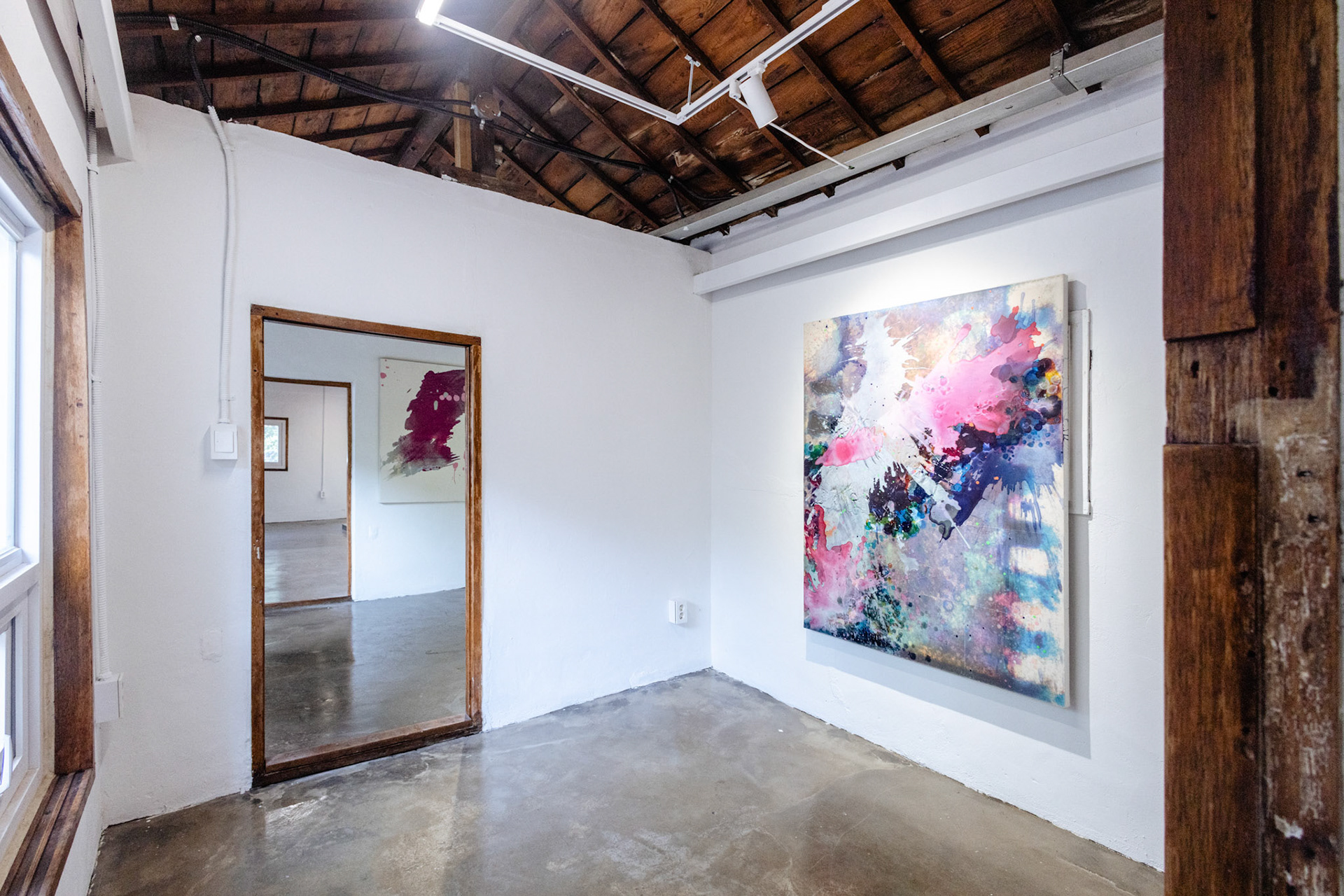
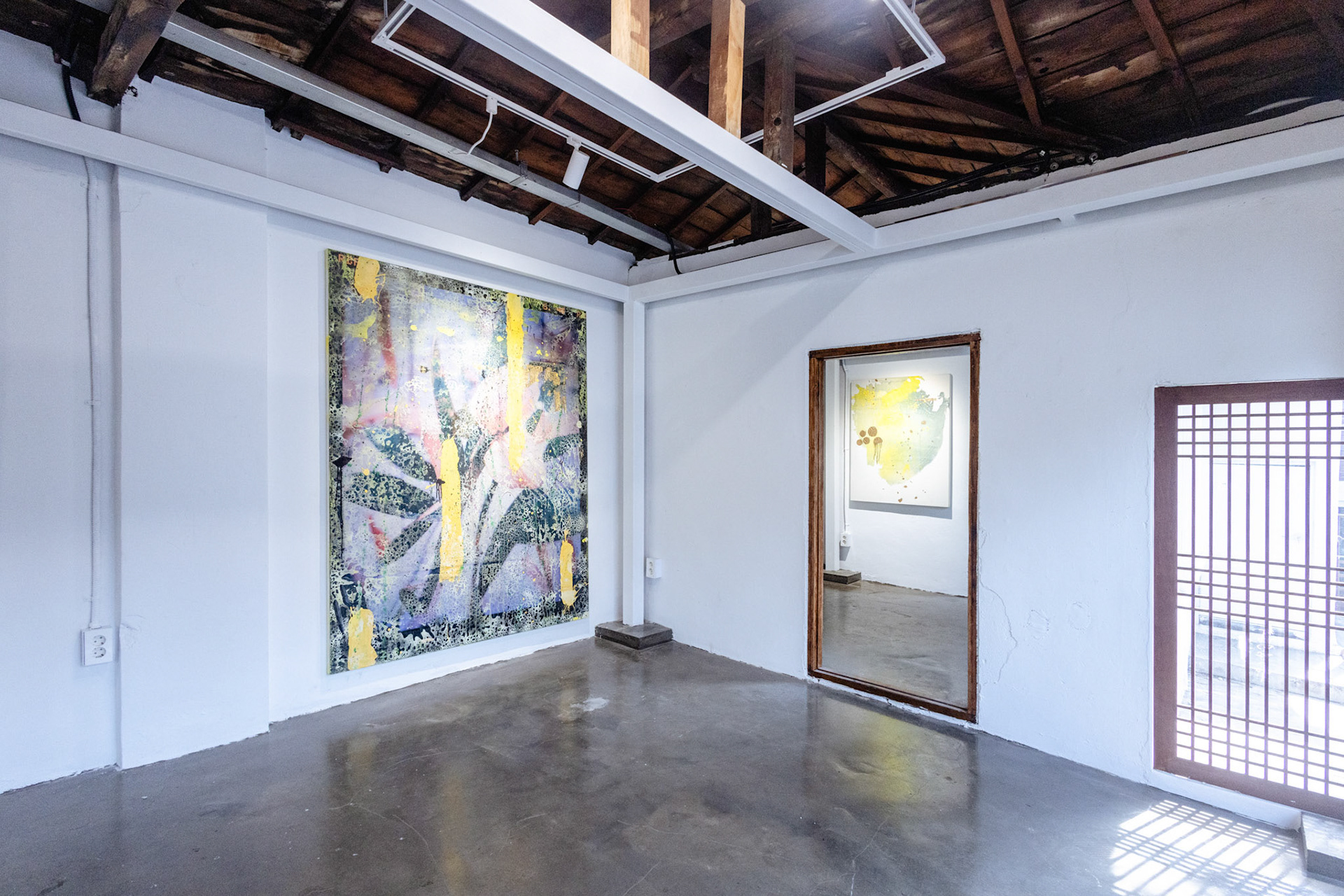
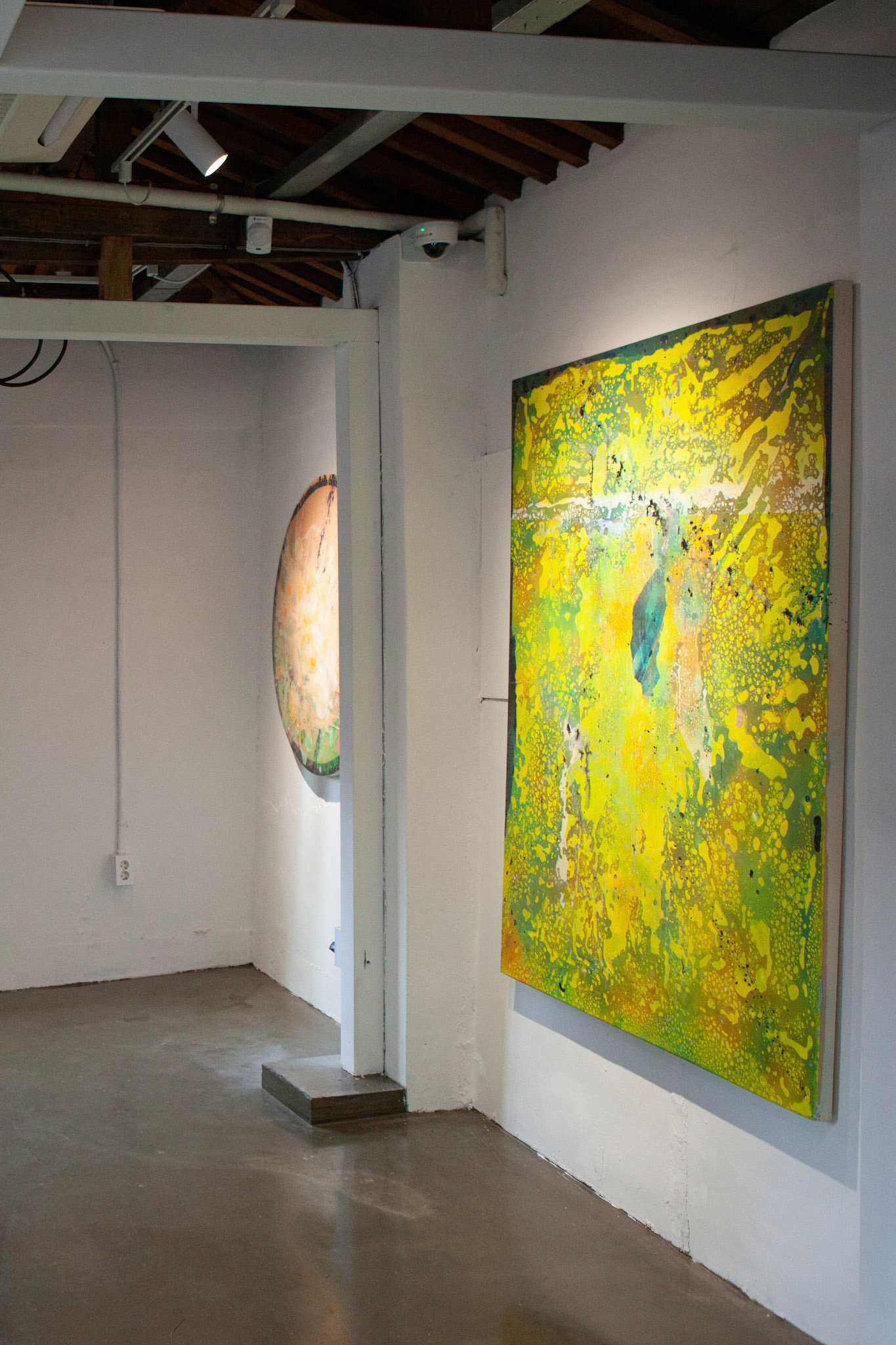
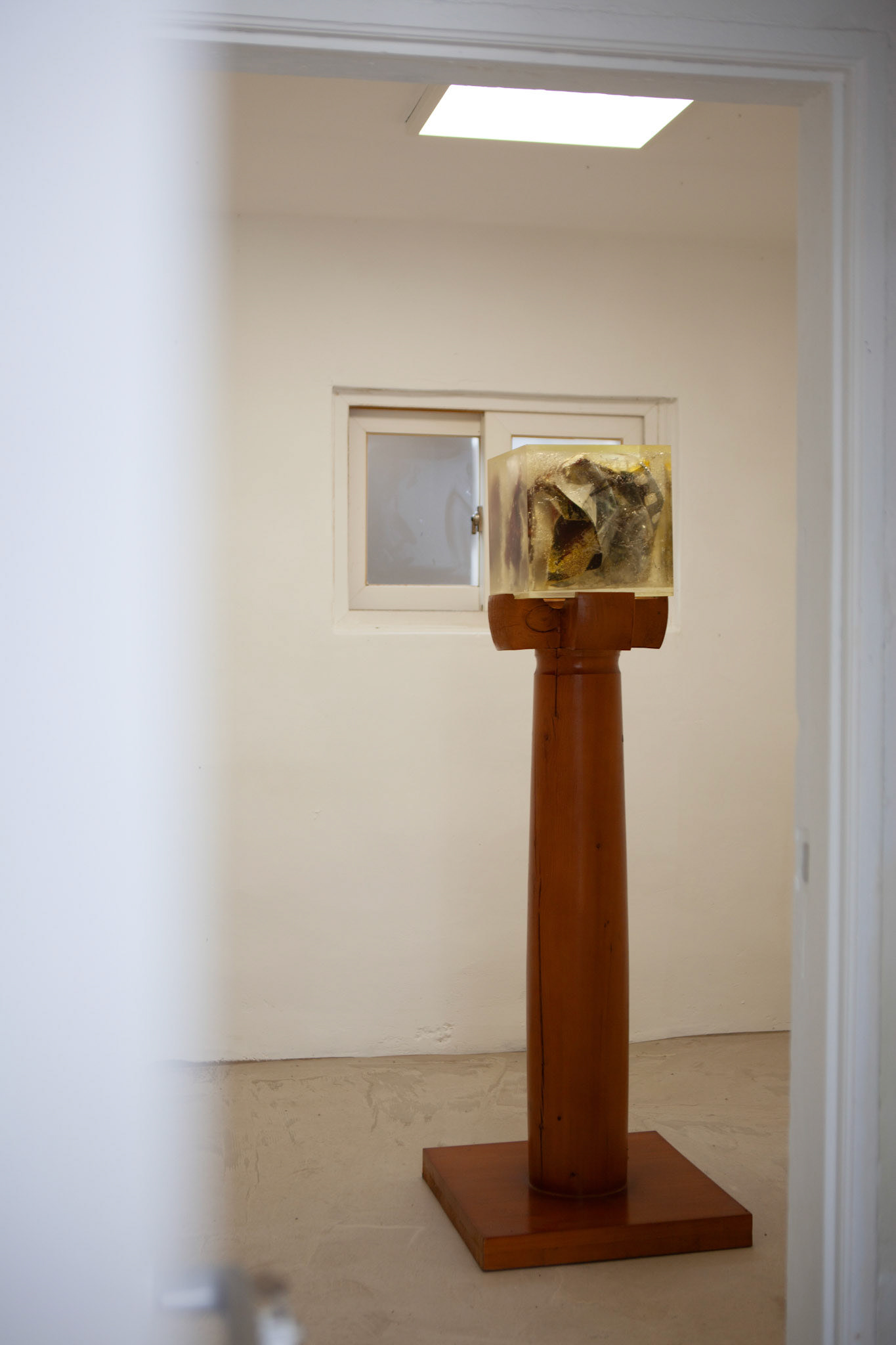
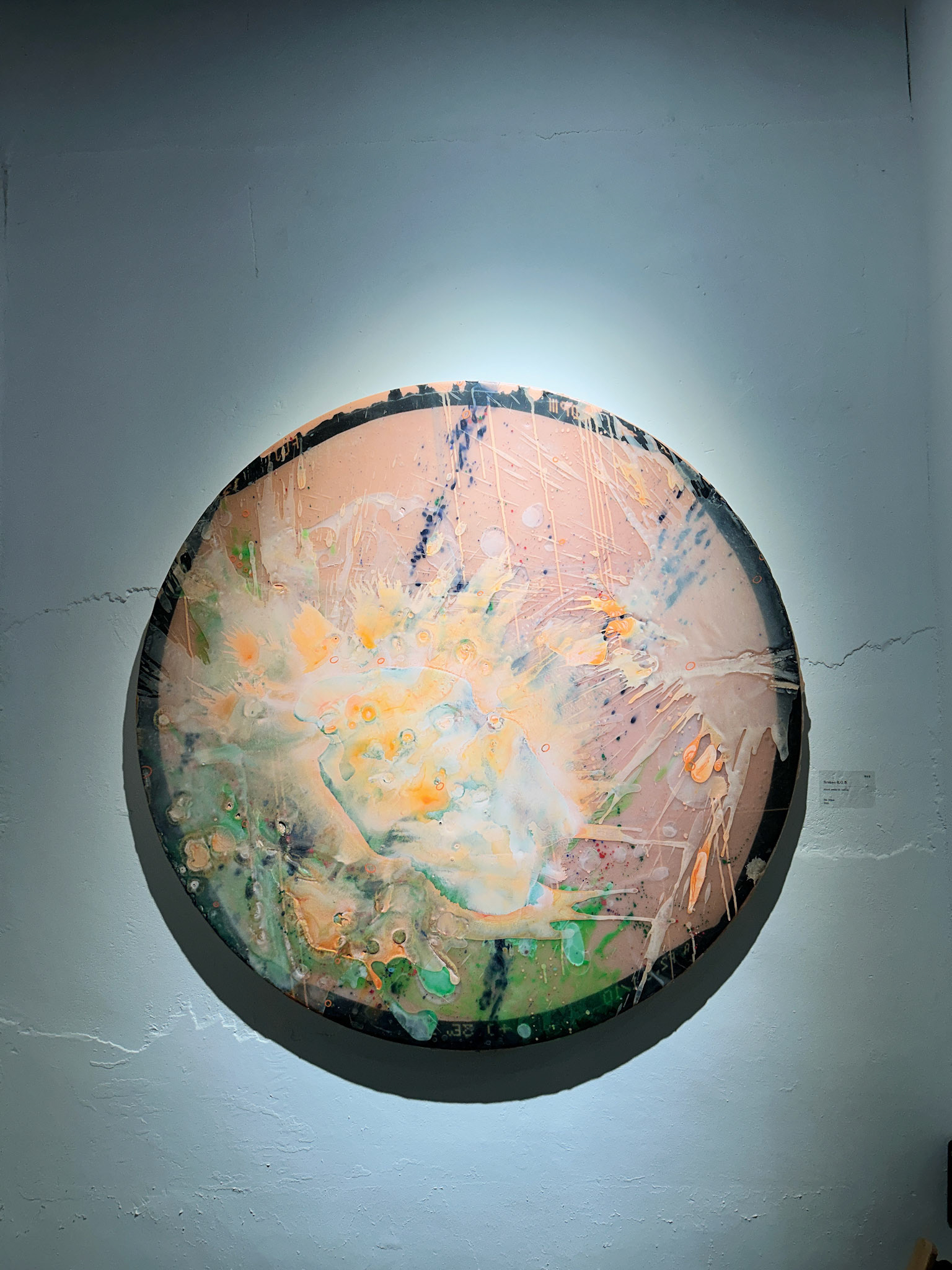
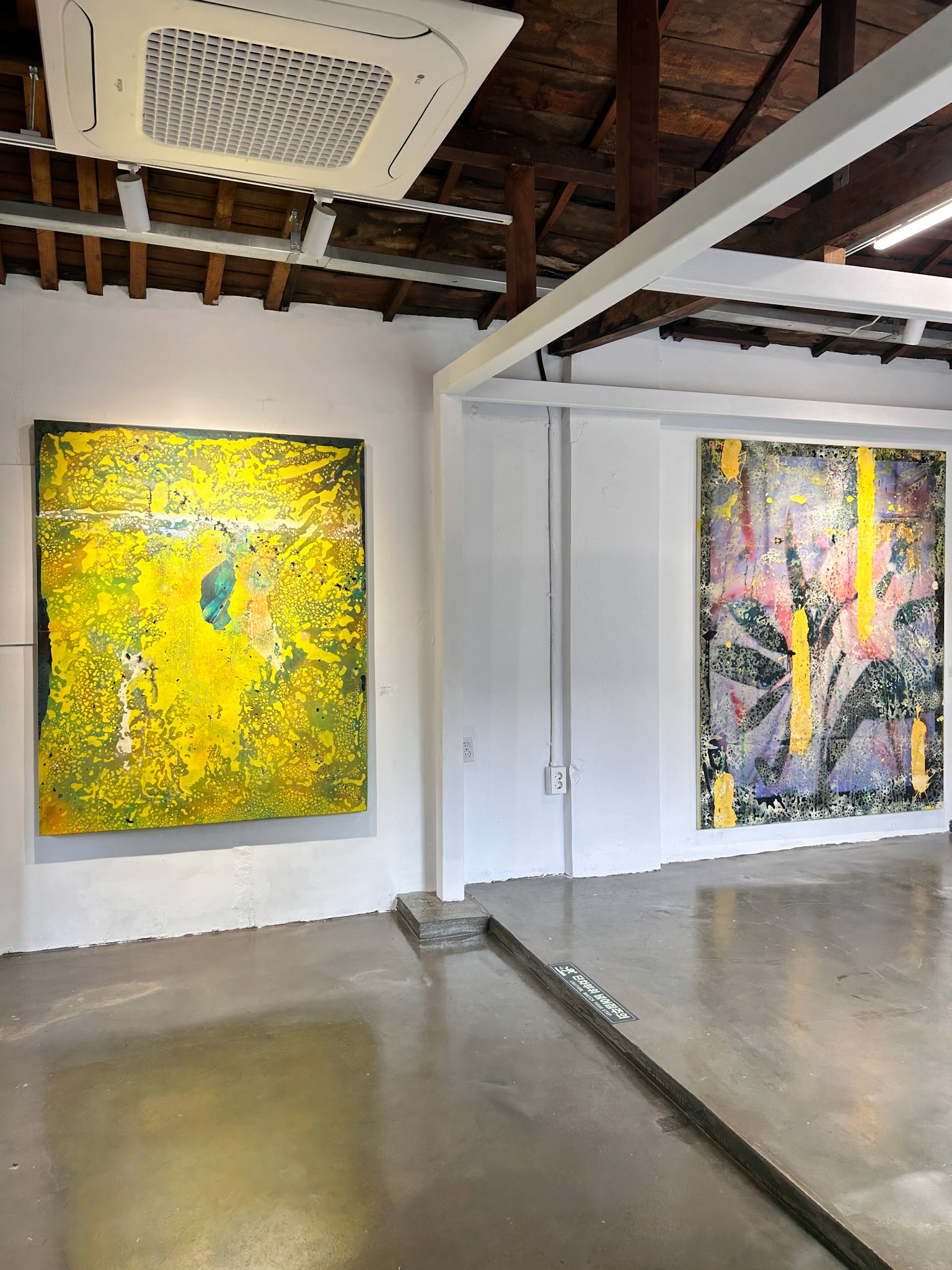
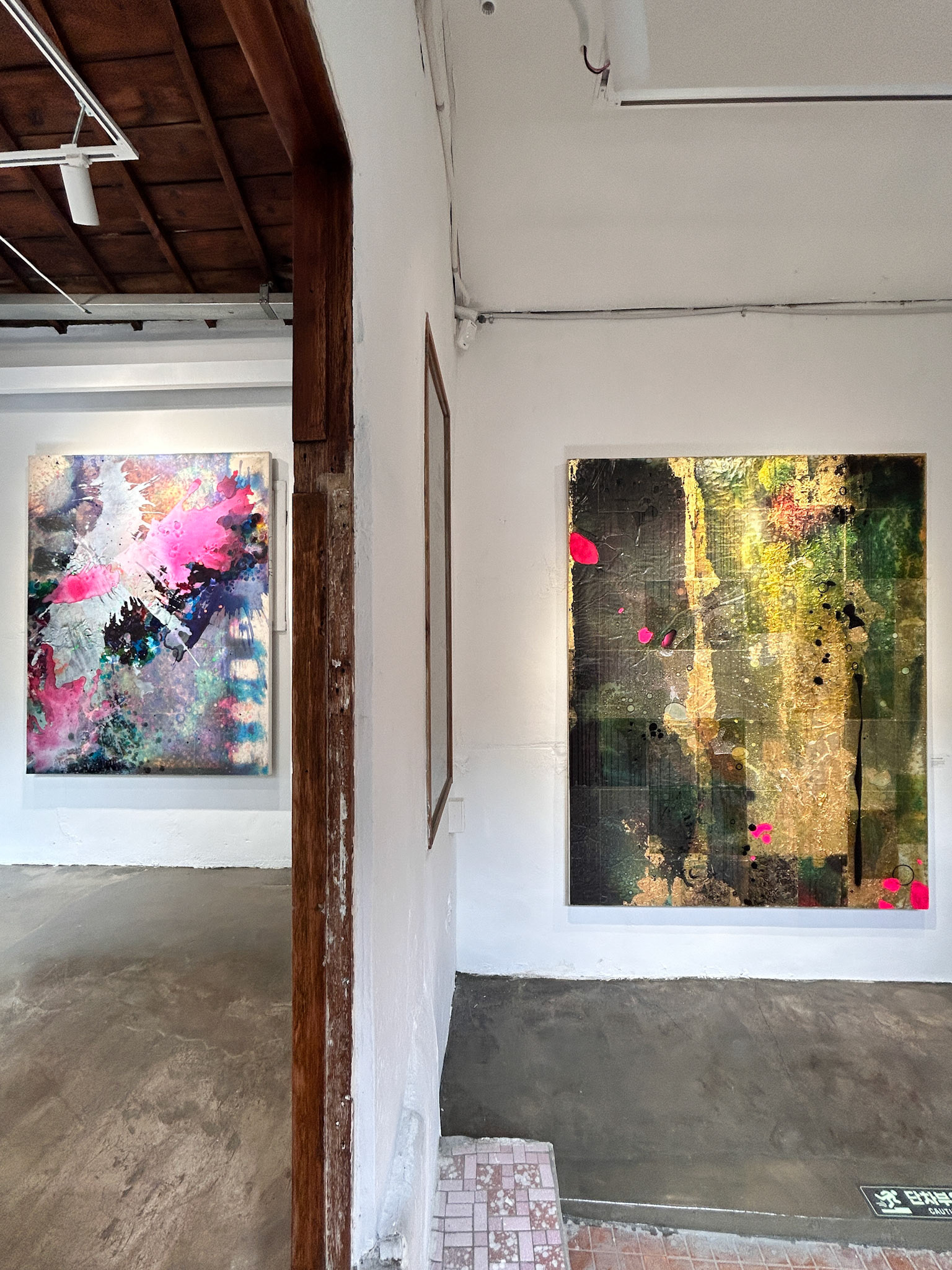
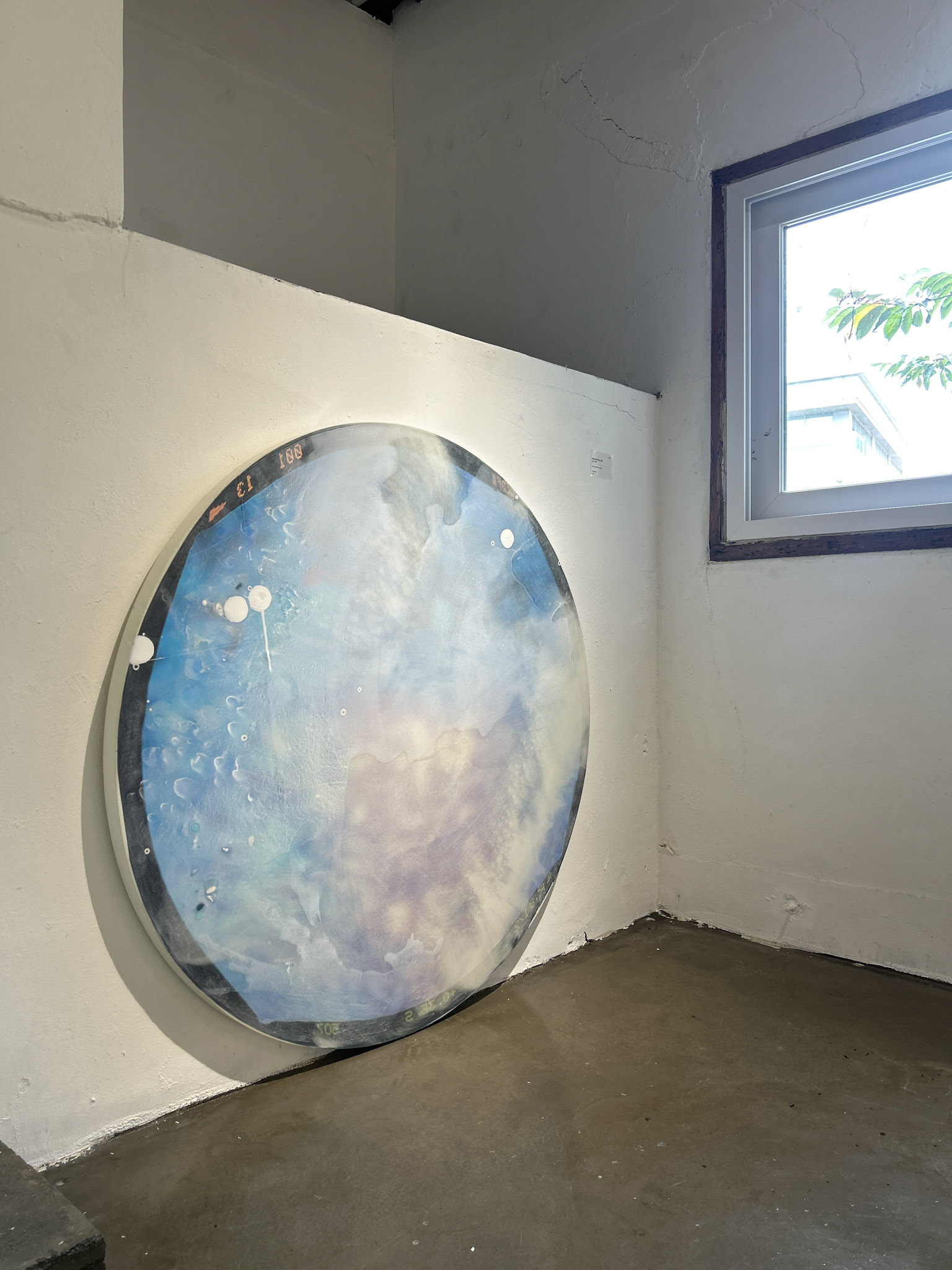
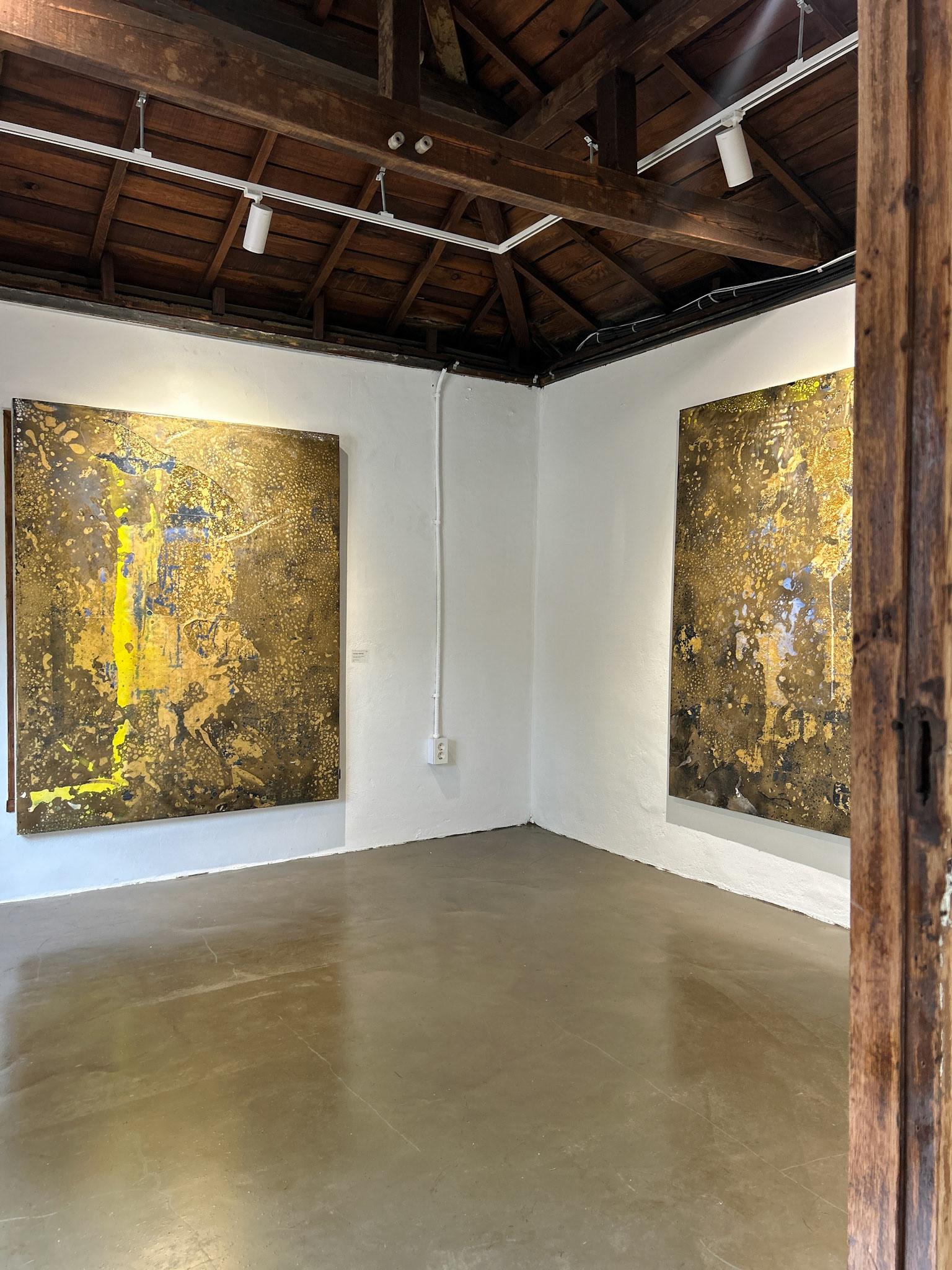
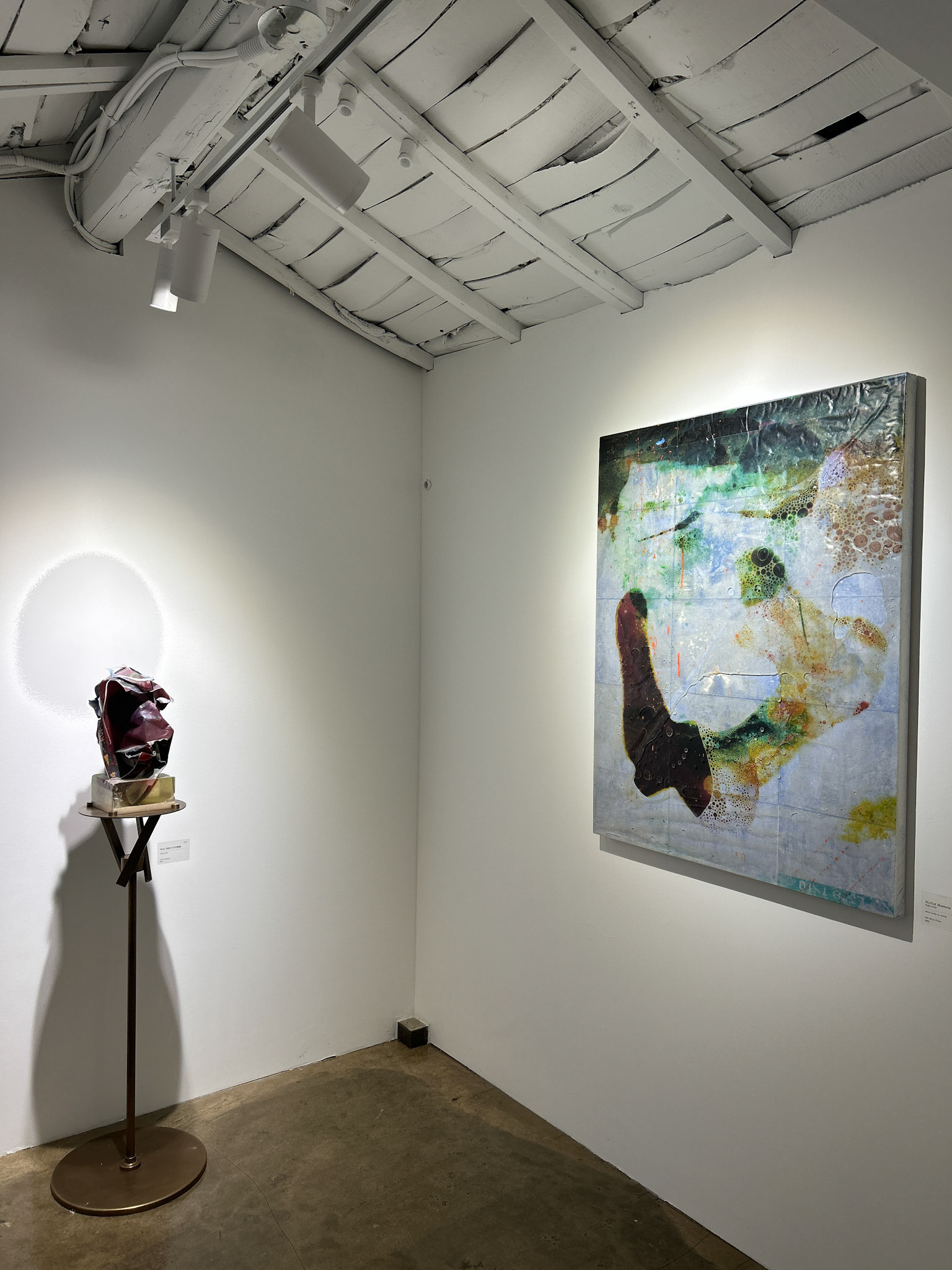
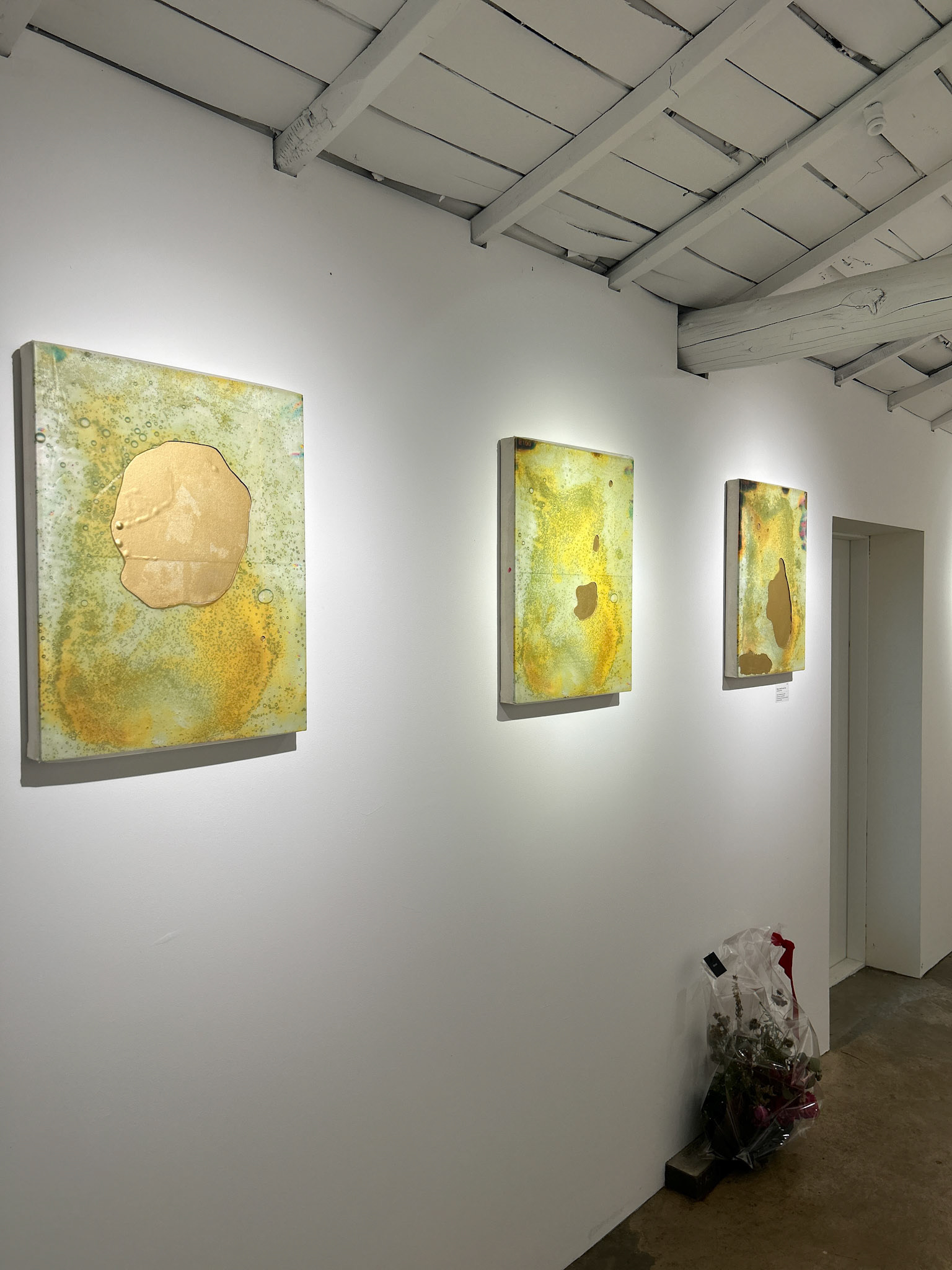
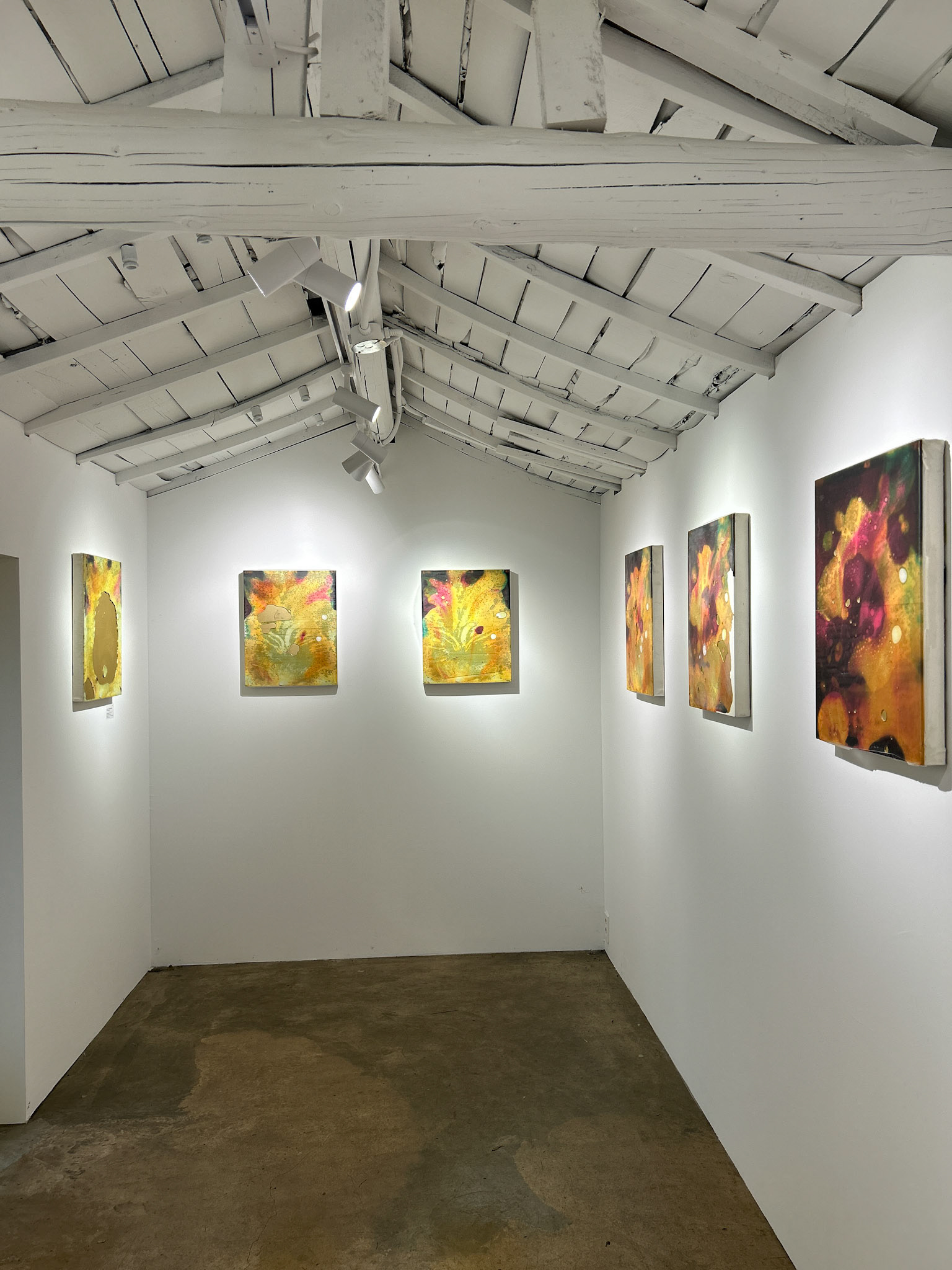
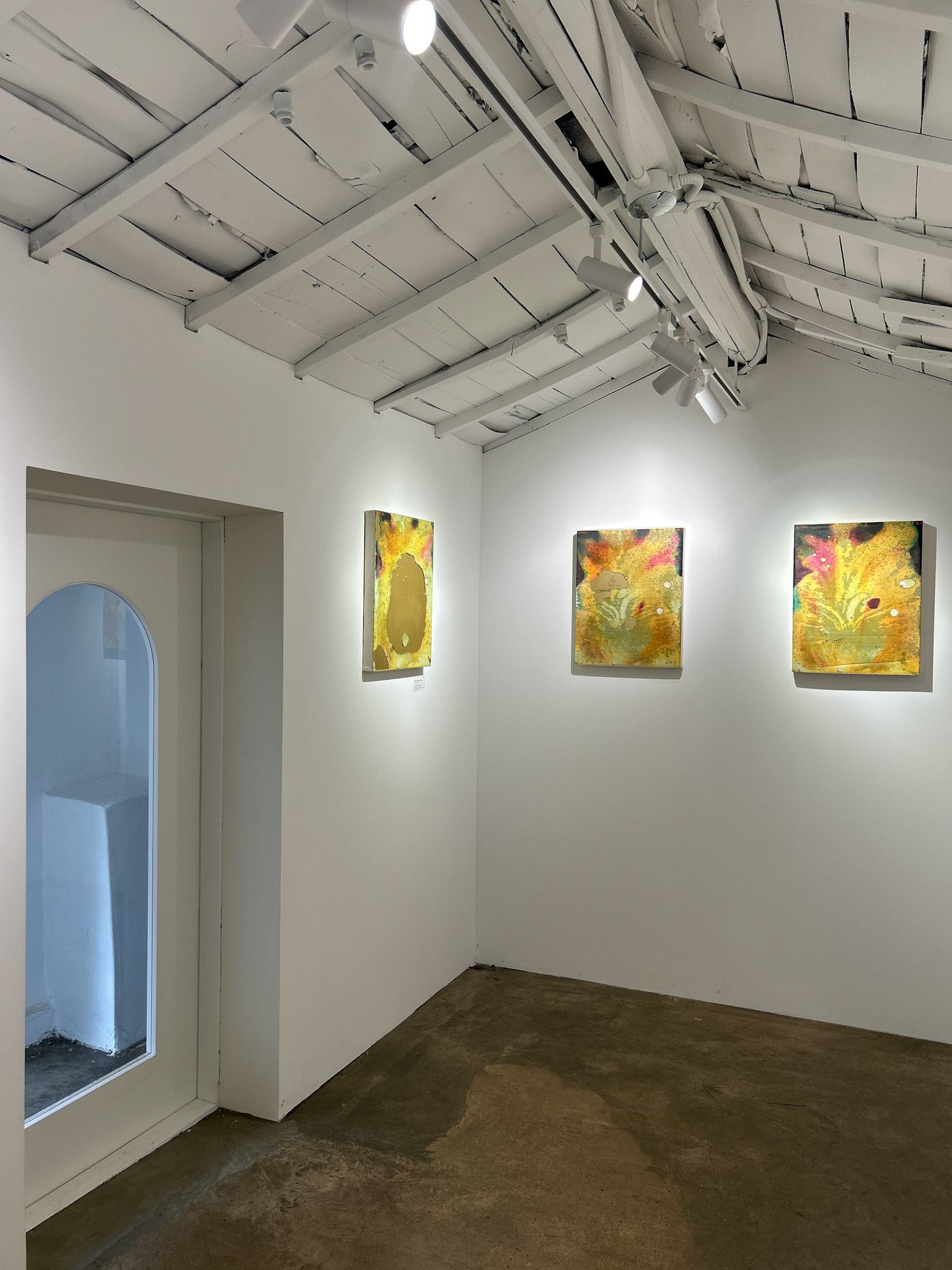
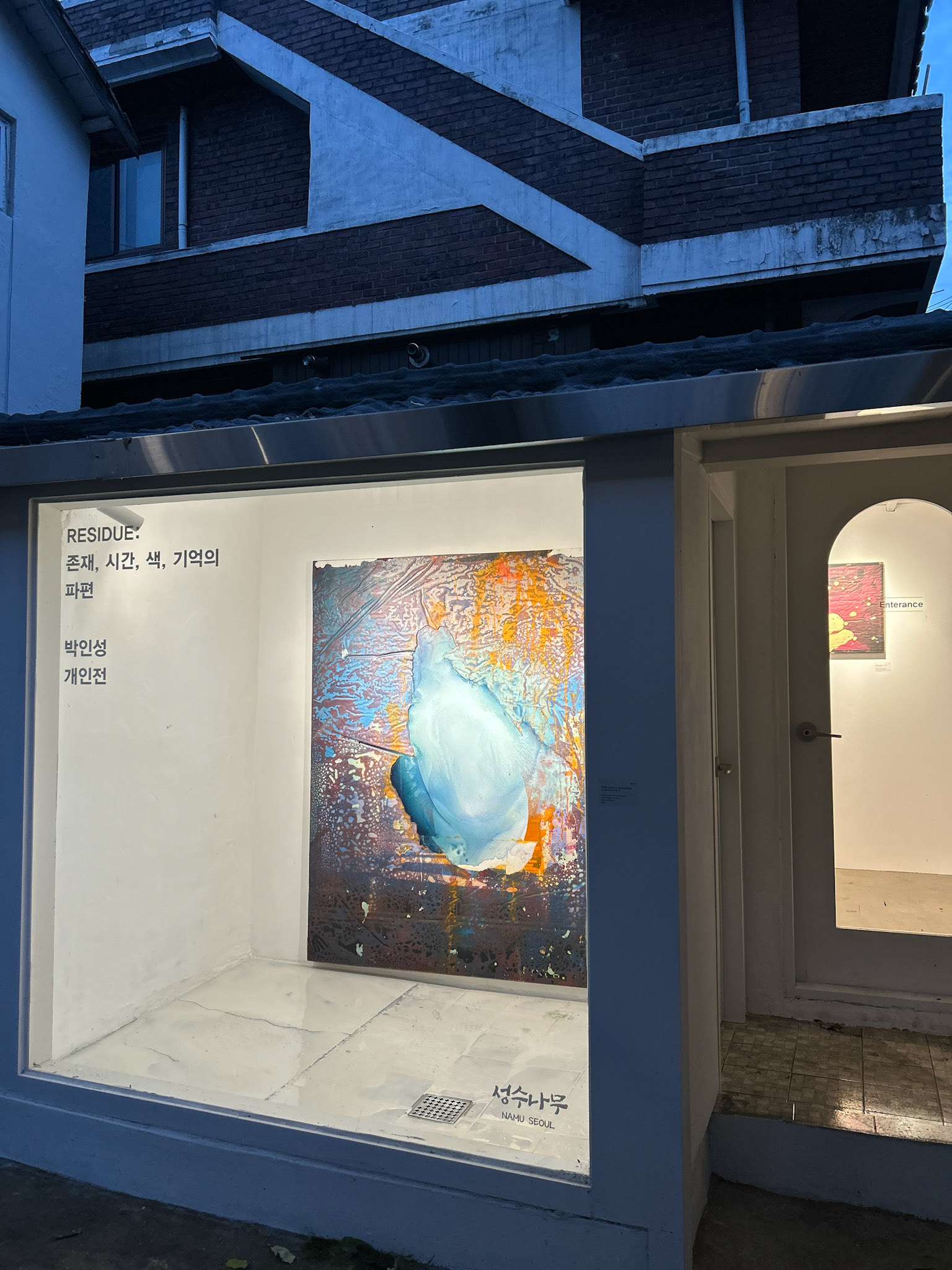
이번 전시에 출품된 작품들은 대부분 모니터에 표현된 특정 컬러(여기서 컬러의 선택은 순전히 작가의 자의적 영역이다)를 필름 카메라로 촬영하고 그 인화한 필름을 다시 스캐너를 거쳐 디지털 이미지로 변환시키는 과정에서 출발한다. 반복된 스캐닝 후 다시 출력을 통해 물질로 환원된 배경은 이후 작가의 많은 터치를 거쳐 캔버스에서 회화적 형식으로 수렴된다. 이 과정에서 작가는 먼지가 내려앉거나 용액이 흐르는 등의 우연적 요소를 작품의 형식적 요소로 적극적으로 끌어들이는 방식을 회화적 조형과정으로 환치시킨다. 마지막 단계에서 그는 투명한 합성수지로 캔버스 표면에 막을 입히고 다시 그 막에 물리적인 힘을 가해서 일정한 균열과 부분적 파손을 드러낸다.
박인성의 작품이 제작되는 일련의 과정은 구축과 해체가, 물성과 이미지가, 의도와 우연이 교차하고 혼재하는 역설적 과정이다. 회화의 형식을 갖췄지만 이미지는 철저하게 소거되었고 그 흔적만이 남아있다. 가령 이미지를 포박하는 필름을 활용하면서도 그 필름의 고유번호나 퍼포레이션을 함께 드러내는 것처럼 말이다.
언뜻 여러 재료를 활용한 추상회화처럼 보이는 박인성의 작품은 사실 그리기의 결과가 아니라 일종의 ‘짓기’의 결과물들이다. 그러나 그러한 구조는 순간순간 작가가 우연히 개입시키는 요소들로 인해 완결된 형태로 귀결될 수 없다. 작품 전반에 깔려있는 액체의 흔적이 작품의 전체적인 분위기를 액성의 형태로 이끌어 가는 것처럼, 작가가 지은 구조는 캔버스 안에서 액화되고 미끄러진다.
박인성의 작업에서 물질과 디지털 데이터가 반복 교차하는 과정은 자연스럽게 물성을 벗어버리고 데이터의 형식으로 탈주하는 오늘날의 물질문명을 생각하게 한다. ‘디지털라이징’에 대한 관심이 많다고 말하는 박인성의 작업은 먼저 ‘기록’이라는 행위가 실존하는 사실을 있는 그대로 잡아두는 행위가 아니라는 점을 주지시킨다. 역사와 기록이 가치중립적 사실의 축적이 아니라 특정 시대의 ‘권력-지식(Power-Knowledge)’ 체계가 만들어낸 담론이라는 푸코(지식의 고고학)나 역사기록의 폭력성과 정치성을 지적함으로써 기록의 이면에 존재하는 ‘누락’과 ‘삭제’를 잘 드러내는 벤야민(역사철학테제)의 주장은 그의 작업에 면면히 깔려 있는 사유이다.
한편 물성과 디지털 처리를 복잡하게 오가는 그의 작업과정은 기록의 임의성을 지적하는데 그치지 않고 그러한 변환을 매개하는 기술에 대한 성찰까지를 포함시킨다. 기실 물질로 구성된 많은 문명의 조각들이 빠르게 데이터로 변모하는 디지털라이징의 시대에 그 변환을 매개하는 기술의 특성이 물성을 이해하는 기존의 패러다임까지도 변화시키는 것이 오늘날의 현실이다. 사만사가 자연스럽게 구사하는 언어나 면밀한 소통의 기술이 사실은 온라인에 산재하는 데이터 조각들의 모음에 불과하다는 사실을 망각하게 하는 것처럼 말이다. 데리다는 90년대에 그의 강연을 기초로 한 저서, ‘아카이브 열병’에서 기술, 특히 디지털 매체가 기록의 방식을 근본적으로 변화시키며 기억의 구조 자체를 형성하고 결정짓는다고 말했다. 박인성의 작품들은 경계가 역전되고 새로운 분리와 생성이 실시간으로 명멸하는 디지털의 시대에 탈주하는 물질들을 관조하는 또 하나의 반투명한 창이다.
Contemplating an Age in Which Matter Escapes into Data
Koh, Wonseok / Curator, Director of Line Cultural Foundation
A man named Theodore, who lives alone in a near-future world, appears on screen. Leading a dry, monotonous life, he frequently uses his mobile device to converse with Samantha, a conversational AI. Their exchanges go beyond the level of information sharing and unfold on an emotional plane, as counseling and consolation; Theodore enters a stage of intense affect. The year in which he gradually becomes separated from the people and objects around him and becomes almost perfectly, emotionally bonded with Samantha is 2025.
The relationship between seeing something with one’s eyes and believing in its existence is a theme that artist Inseong Park has long explored while moving fluidly across such media as photography, video, and installation. Beginning with works that employed motion-picture film, the artist became interested in the fictive nature of “recording.” Passing through various media and methods, he has set radically opposed concepts into collision and probed the gap between what is visible and what lies behind it.
Most of the works presented in this solo exhibition are recent pieces produced within the last one or two years. The reason for opening this essay, which attempts to describe Park’s artistic practice, with the storyline of Her (2013), a film about AI, is that his recent concerns— and the underlying context shared by the works throughout this exhibition— ultimately converge on the theme of “modes of recording and presence.”
On the surface, the reason Samantha, the conversational AI in Her, can so completely draw out Theodore’s affect seems to lie in a processing technology that rapidly searches and processes research findings on human emotions that have been converted into data, and then provides them in a form as natural as human conversation. Of course, as of 2025, when this text is being written, AI still exhibits partial malfunctions—glitch images, fabricated information, and the like. Yet the rapid evolution of deep-learning models, which are being advanced day by day, will soon make them far closer to the neurons of the human brain, and it appears certain that today’s malfunctions will come to be regarded as things of the distant past, replaced by an experience that feels almost entirely natural.
A more fundamental source of this affect, however, lies in the unconscious error of assuming that the vast quantities of data an AI “deep-learns” reflect everything in reality just as it is. Much of my conversation with Park while he was preparing this exhibition revolved around the fact that the essential fictionality and arbitrariness of historical record-making as a human activity are all too easily concealed or forgotten beneath the polished surface of hyper-advanced technologies. These themes form the recent focus of an ongoing intellectual trajectory that began with the artist’s persistent interest, from his early work onward, in the existential status of immaterial entities such as icons and signs—an inclination to probe relentlessly into the structure of whatever object draws his attention. At the same time, they offer clues for understanding the conceptual strata on which the works in this exhibition are grounded.
Most of the works shown here begin with a process in which a specific color displayed on a monitor (the choice of color being entirely within the artist’s own arbitrary domain) is photographed using a film camera. The developed film is then scanned and converted back into a digital image. After repeated scanning, the background—returned once again to material form through printing—undergoes numerous touches by the artist and ultimately settles into a painterly format on canvas. In this process, the artist translates into a pictorial, formative procedure his method of actively drawing contingent elements—dust settling, liquid trickling and pooling—into the formal vocabulary of the work. In the final stage, he coats the surface of the canvas with a layer of transparent synthetic resin, then applies physical force to this membrane so that specific cracks and partial ruptures are revealed.
The sequence through which Park’s works are produced is paradoxical: construction and deconstruction, material and image, intention and chance intersect and intermingle. Although they take on the format of painting, the images themselves have been thoroughly effaced, leaving only their traces. It is akin to revealing the unique codes or perforations of film even as one uses that film—originally a device for binding the image—as a material in the work.
At first glance, Park’s works may appear to be abstract paintings employing multiple materials. In fact, however, they are not the result of “drawing” so much as outcomes of a kind of “building” or “making.” Yet such structures can never arrive at a closed, completed form because of the elements that the artist introduces, moment by moment, through chance interventions. Just as the traces of liquid that permeate the works lead their overall atmosphere into a condition of liquidity, the structures the artist has constructed liquefy and slip within the bounds of the canvas.
The repeated crossings between materiality and digital data in Park’s practice naturally call to mind our contemporary material civilization, in which things cast off their materiality and escape into the form of data. Park, who speaks of his strong interest in “digitalizing,” first makes us aware that the act of “recording” is not one of capturing an existing fact exactly as it is. The thinking of Michel Foucault—who, in works such as The Archaeology of Knowledge, argued that history and records are not accumulations of value-neutral facts but discourses produced by a given era’s “power–knowledge” regime—and of Walter Benjamin, whose “Theses on the Philosophy of History” expose the omissions and deletions lurking on the reverse side of records by pointing to the violence and political nature of historiography, forms a stratum of thought that quietly undergirds Park’s work.
At the same time, his working process, which moves back and forth in a complex fashion between materiality and digital processing, does more than merely point out the arbitrariness of recording; it also extends to a reflection on the technologies that mediate such transformations. In this age of digitalizing, where countless fragments of civilization made of matter are rapidly being transformed into data, the characteristics of the technologies that mediate this conversion are themselves altering the very paradigms through which we understand materiality. Just as we are led to forget that the language Samantha so effortlessly speaks and the meticulous communicative techniques she deploys are nothing more than an assemblage of data fragments scattered across the online world, so too today’s technologies induce a similar forgetting. In Archive Fever, a book based on lectures delivered in the 1990s, Jacques Derrida argued that technology—particularly digital media—fundamentally transforms the modes of recording and shapes and determines the very structure of memory itself. Park’s works are another translucent window through which to contemplate fugitive matter in the digital age—an age in which boundaries are reversed and new divisions and emergences flicker into and out of being in real time.